Why Tracking Your Blood Tests Matters
Most people receive their blood test results, glance at whether anything is flagged, and move on. But a single snapshot of your bloodwork tells you remarkably little. The real power of blood testing lies in tracking your results over time — identifying trends, catching gradual shifts before they become clinical problems, and understanding how your lifestyle choices directly affect your health markers.
Whether you are managing a chronic condition, optimising a testosterone replacement therapy (TRT) protocol, or simply want to take a more proactive approach to your wellbeing, longitudinal blood test tracking can fundamentally change your health outcomes.
The Problem with One-Off Blood Tests
A single blood test is a snapshot taken at one moment in time. Your results on any given day can be influenced by:
- What you ate or drank in the previous 24-48 hours
- How well you slept the night before
- Exercise intensity — heavy training can elevate liver enzymes and inflammatory markers
- Stress levels — cortisol affects glucose, immune markers, and hormones
- Hydration status — dehydration can falsely concentrate certain markers
- Time of day — testosterone peaks in the morning and can drop 30-40% by afternoon
This means a result that looks "normal" today could be masking a downward trend. Conversely, a single flagged result might simply reflect a bad night's sleep rather than a genuine health concern. Without historical context, neither you nor your doctor can tell the difference.
What Longitudinal Tracking Reveals
When you track blood tests over months and years, patterns emerge that single tests simply cannot show:
1. Gradual Declines Before They Become Clinical
Consider vitamin D. A level of 55 nmol/L is technically "adequate" by Australian standards. But if your vitamin D was 95 nmol/L twelve months ago and has steadily declined to 55, that trajectory tells a story — perhaps reduced sun exposure, dietary changes, or a malabsorption issue. Without tracking, you would never know you had dropped 40 points.
2. Seasonal and Cyclical Patterns
Many biomarkers follow seasonal patterns. Vitamin D naturally dips in winter. Cholesterol levels can fluctuate with dietary changes around holidays. For women, hormone levels shift across the menstrual cycle and change dramatically during perimenopause. Recognising these patterns prevents unnecessary alarm and helps time interventions more effectively.
3. Treatment Response and Protocol Optimisation
If you are on TRT, thyroid medication, iron supplementation, or any other treatment protocol, tracking bloods before and after adjustments is the only objective way to know whether the changes are working. Subjective symptoms matter, but combining them with hard data gives you and your clinician far greater confidence in dosing decisions.
4. Lifestyle Impact Measurement
Started a new exercise program? Changed your diet? Added a supplement? Blood test tracking lets you measure whether these changes are actually moving the needle on relevant biomarkers — or whether you are wasting time and money.
Key Markers Worth Tracking Regularly
While the specific tests you need depend on your health goals and medical history, these markers benefit most from longitudinal tracking:
- Hormones: Total and free testosterone, estradiol (E2), SHBG, thyroid (TSH, free T4), progesterone
- Metabolic health: Fasting glucose, HbA1c, insulin, lipid panel (LDL, HDL, triglycerides)
- Blood health: Full blood count (FBC), haemoglobin, hematocrit, ferritin
- Inflammation: CRP, ESR
- Vitamins and minerals: Vitamin D, B12, folate, iron studies, magnesium
- Organ function: Liver enzymes (ALT, AST, GGT), kidney function (eGFR, creatinine)
How Often Should You Test?
Testing frequency depends on your situation:
- Healthy adults under 40: A comprehensive panel every 12-24 months provides a solid baseline
- Adults over 40: Annual testing is recommended by most Australian GPs, with more frequent monitoring for specific risk factors
- On TRT or HRT: Every 6-8 weeks during dose adjustments, then every 3-6 months once stable
- Managing a chronic condition: As directed by your specialist, typically every 3-6 months
Moving from Data to Action
Tracking is only valuable if it leads to better decisions. Here is how to make the most of your blood test data:
- Establish a baseline — get a comprehensive panel before starting any new protocol or making major lifestyle changes
- Test consistently — same time of day, same fasting state, same lab where possible to reduce variability
- Log context — note your sleep, stress, training, and diet around each test so you can correlate results with lifestyle factors
- Review trends, not just numbers — a result within range but trending in the wrong direction deserves attention
- Share with your clinician — bring your tracked history to appointments for more productive, data-driven conversations
Making Tracking Practical
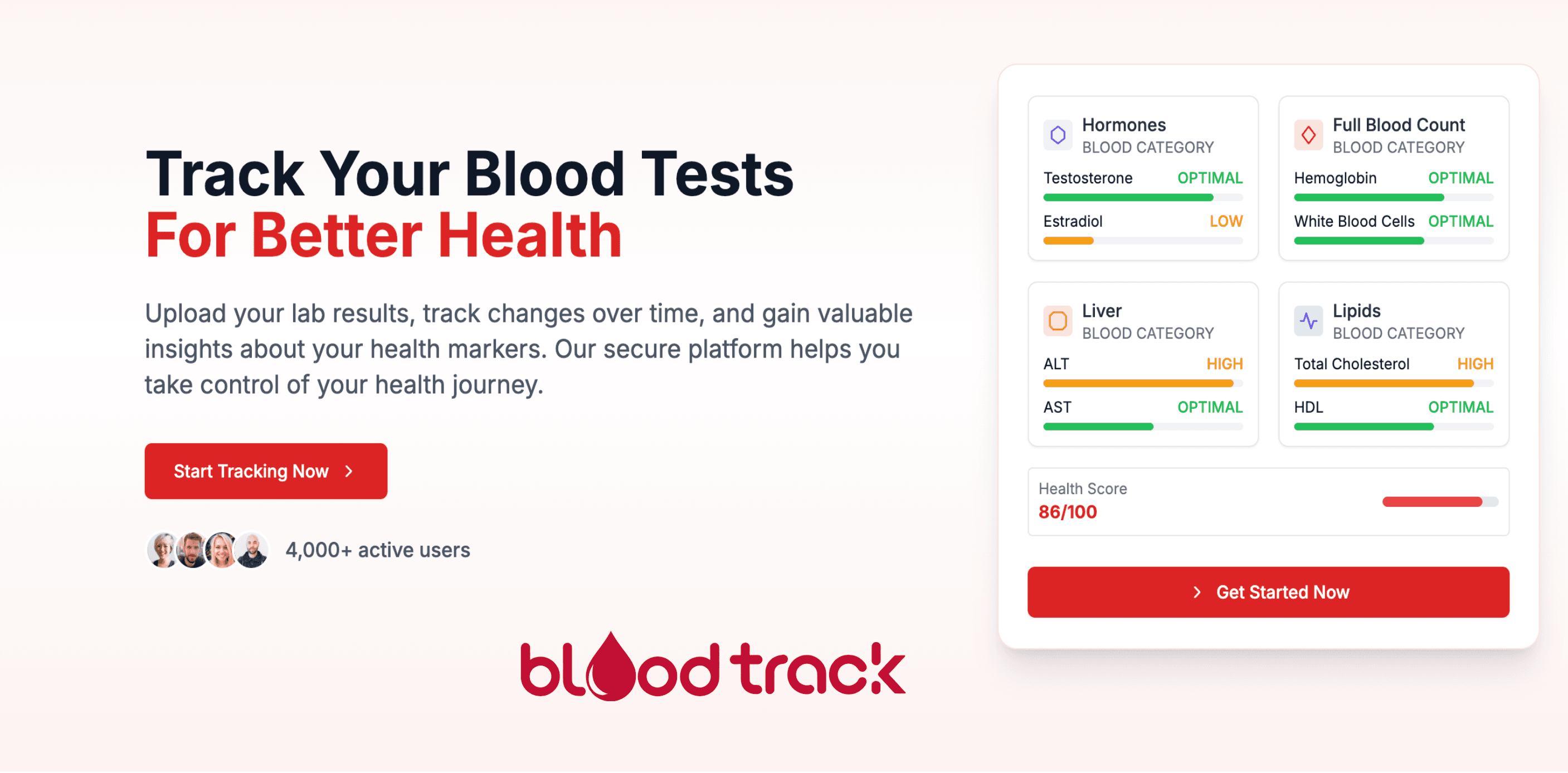
The biggest barrier to blood test tracking has always been convenience. Paper reports get lost. PDFs pile up in email folders. Spreadsheets require manual data entry. BloodTrack was built to solve this — upload your lab results, and the app automatically extracts your markers, plots trends over time, and highlights changes that matter.
When you can see your health data laid out visually across months and years, you move from reacting to results to truly understanding your body. That shift — from passive patient to informed participant — is what changes health outcomes.
This article is for informational purposes only and does not constitute medical advice. Always consult your GP or healthcare provider for personalised guidance.